Accidents & repairs
Approved vs non-approved repairers
By Sipho Dlamini · 5 min read · Updated 24 June 2026
- Approved repairer
- Insurer vetted and paid directly, repair warranty
- Non-approved repairer
- Your own choice, may cost more
- Parts
- Approved shops may use insurer specified parts
- Check
- Whether your policy allows free choice of repairer
An approved repairer is a panel beater your insurer has vetted and contracted with, while a non-approved repairer is one you choose yourself. In South Africa, using an approved repairer usually means the insurer pays the shop directly, backs the repair with a warranty, and may waive extra fees. Choosing your own shop can be allowed but may cost more and shift some risk to you.
The repairer you use affects cost, quality guarantees and how smoothly the claim runs, so it is worth understanding the trade off.
This guide explains both options and what to check before you decide.
What an approved repairer is
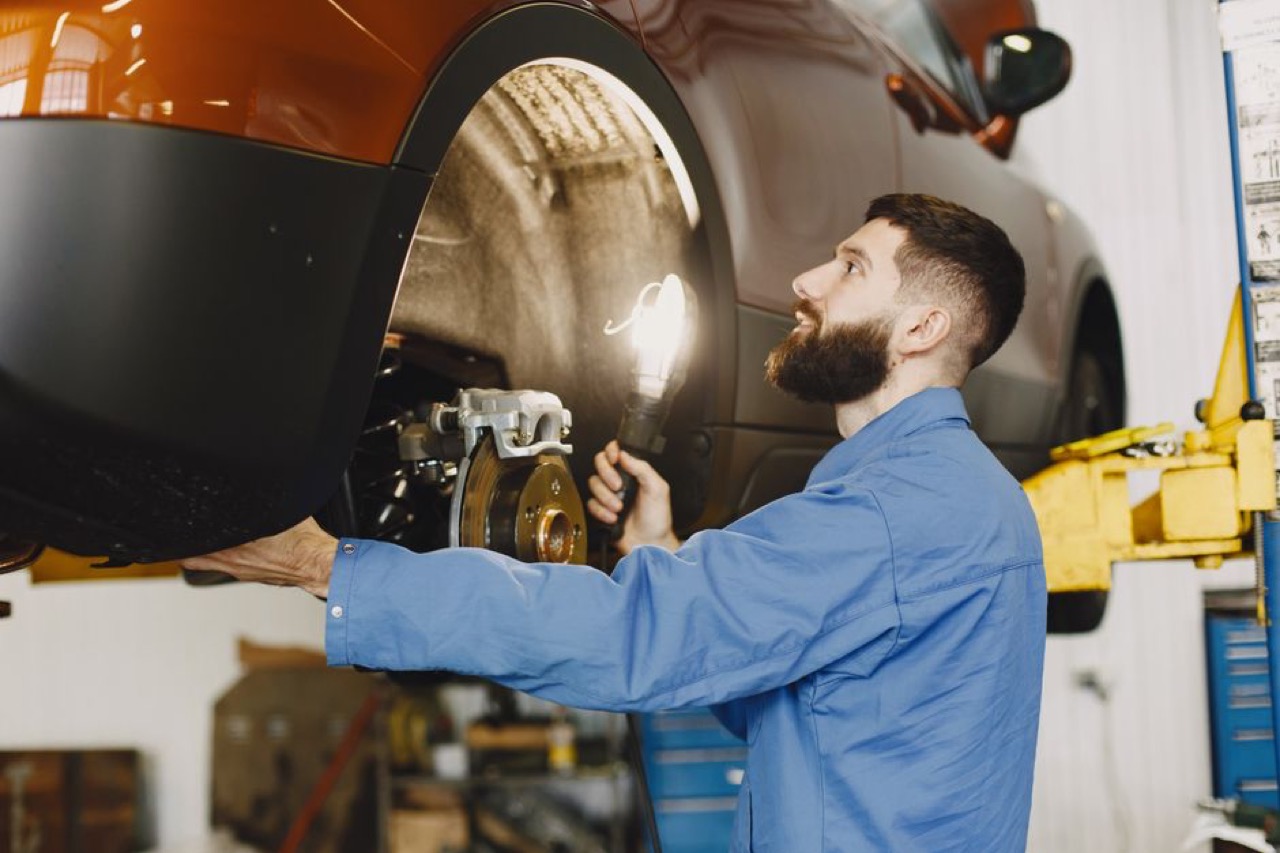
Approved (or preferred) repairers are panel beaters your insurer has assessed for quality and contracted with. When you use one, the insurer usually manages the job, pays the shop directly minus your excess, and stands behind the work with a guarantee. This is the simplest route for most claims.
What a non-approved repairer is
A non-approved repairer is a shop you pick yourself, perhaps one you trust or that is closer to home. Some policies allow free choice of repairer, sometimes for an extra premium. With a non-approved shop you may have to get the repair approved, pay upfront and claim back, or accept that the warranty sits with the shop, not the insurer.
Cost and excess differences
With an approved repairer the insurer often covers more and the process is cleaner. Using your own shop can be more expensive, and some insurers apply an additional excess or pay only up to what their approved rate would have been, leaving you to cover the difference. Always confirm before committing.
Parts and warranty
Insurers may specify the type of parts used, such as genuine, used or aftermarket, especially through approved shops. The repair warranty usually comes from the insurer when you use an approved repairer, but from the shop itself when you use your own. Ask who guarantees the work and for how long.
How to choose
- Check if your policy allows free choice of repairer
- Ask whether using your own shop adds excess or limits the payout
- Confirm who provides the repair warranty
- Ask about parts (genuine vs aftermarket)
- Weigh convenience and trust against cost
For a straightforward claim, the approved route is usually easiest. For specialist or prestige cars, free choice may matter more.
Frequently asked questions
What is an approved repairer?
A panel beater your insurer has vetted and contracted with. The insurer usually pays them directly minus your excess and guarantees the repair. It is the simplest route for most claims.
Can I use my own panel beater?
Sometimes. Some policies allow free choice of repairer, occasionally for an extra premium. With your own shop you may need approval first, may pay more, and the warranty often sits with the shop.
Is it cheaper to use an approved repairer?
Usually yes. Approved repairers are paid at agreed rates and the insurer covers more. Using your own shop can add an excess or leave you to pay the difference above the insurer's approved rate.
Who guarantees the repair?
With an approved repairer the insurer usually backs the work with a warranty. With your own shop the guarantee typically comes from the shop. Always ask who stands behind the repair and for how long.
Will my insurer use second hand parts?
Insurers may specify genuine, used or aftermarket parts depending on the policy and the car's age. Ask what parts will be used, especially through approved shops, if this matters to you.
Does choosing my own repairer affect my claim?
It can. You may need pre approval, face an extra excess, or only be paid up to the insurer's approved rate. Confirm the terms before booking your car in.
Which is better for a prestige car?
For specialist or prestige vehicles, free choice of repairer or a marque approved shop may matter more. Check whether your policy offers this and what it costs.