Choosing cover
Month-to-month and no-deposit car insurance in SA
By Sipho Dlamini · 6 min read · Updated 24 June 2026

Most car insurance in South Africa is month to month with no lump-sum deposit and no fixed multi-year contract: you pay a monthly premium by debit order and can usually cancel with reasonable notice. That flexibility is convenient, but it also means a missed payment or a careless cancellation can leave you driving uninsured without you realising it.
The key things to understand are how cancellation and notice work, what happens if a payment fails, and pause-cover features that some insurers offer.
Flexibility cuts both ways. The same freedom that lets you cancel easily is what leaves you exposed the moment cover lapses, so manage it deliberately.
How month-to-month car insurance works
In South Africa, car insurance is generally sold as a monthly contract paid by debit order. There is usually no upfront deposit and no obligation to stay for a set number of years. Cover renews automatically each month as long as the premium is paid.
This suits people who want flexibility, for example if they may sell the car, switch insurers, or change cover. You are not locked into a long agreement the way you might be with some other financial products.
The flip side is that cover depends on each payment going through. If the debit order bounces, your protection can fall away faster than you expect.
No deposit, no fixed contract
No deposit means you do not pay a large sum upfront to start the policy; you simply begin paying monthly. No fixed contract means you are generally free to cancel without an early-termination penalty, subject to the notice in your wording.
This is normal for short-term insurance and should not be confused with a special offer. Be wary of any seller framing standard no-deposit, month-to-month cover as a unique deal to pressure you into signing.
Always check the actual wording for any administration fees, notice periods or conditions, rather than relying on marketing language.
How to cancel car insurance properly
To cancel, notify your insurer in line with your policy terms, usually in writing, and give the required notice, which is often around a calendar month. Keep written confirmation of the cancellation date.
The most important rule is to never cancel existing cover until your new policy is active. A gap of even a day means any incident in that window is uninsured. Line up the new policy's start date to match or overlap the old one's end date.
If you cancel a debit order at your bank without formally cancelling the policy, you may still owe premiums or face confusion over whether you are covered. Cancel with the insurer directly.
Pause-cover and flexible options
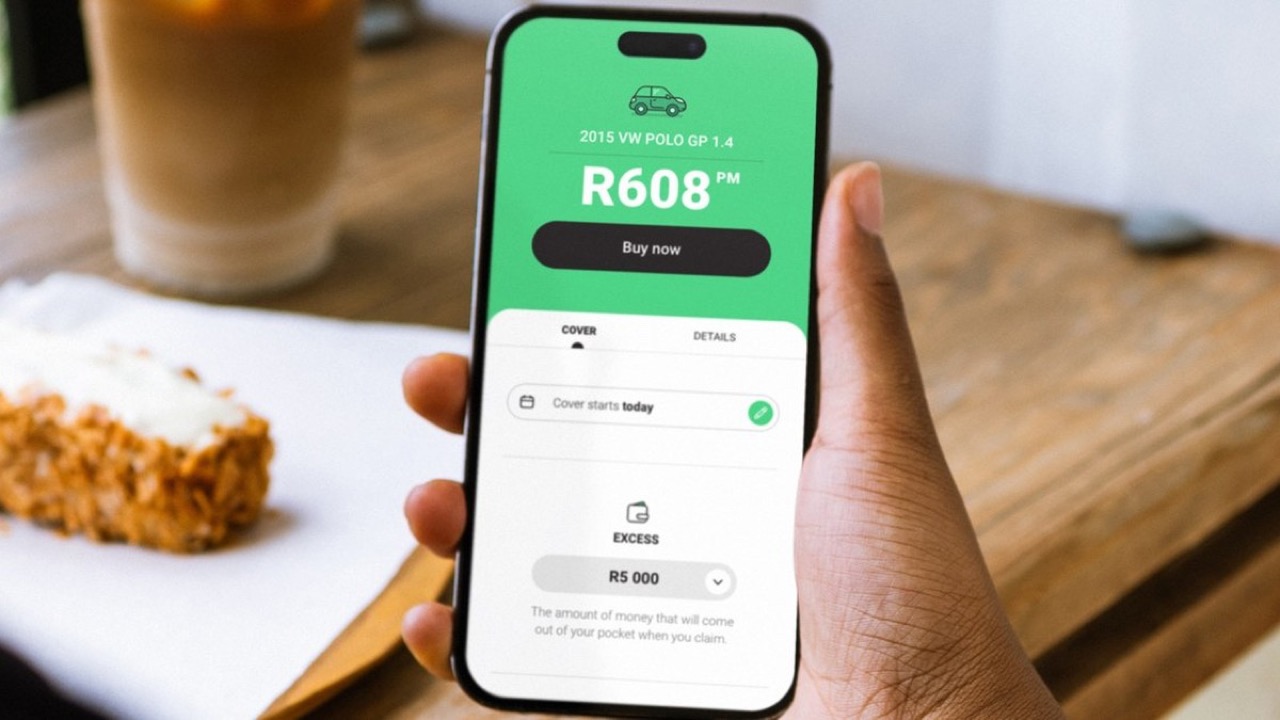
Some app-based insurers offer flexible features beyond simple month-to-month cover. Naked, for instance, lets you pause certain cover when the car is parked and not in use, which can reduce cost during idle periods, then resume cover when you drive again.
These features can be useful for second cars, seasonal use or long trips away. The important thing is to understand exactly what is and is not covered while paused, and how to switch cover back on before you drive.
If you forget to resume cover and then drive, an incident could be uninsured. Treat pause features as a tool that needs active management, not a set-and-forget setting.
Lapsing traps that leave you uninsured
The biggest danger with flexible cover is an accidental lapse. A bounced debit order, an unpaid premium after a card expires, or cancelling old cover before new cover starts can all leave you driving uninsured without a warning sticker on the windscreen.
If you have a financed car, lapsing comprehensive cover also breaches your finance agreement, because the bank requires the car to stay insured until it is paid off.
Protect yourself by keeping enough money in the account on debit-order day, updating card and bank details promptly, and confirming cover is active after any change. Treat a lapse as the serious risk it is.
Disputes over cancellation or lapsed cover
Disputes can arise over when a policy was cancelled, whether notice was given correctly, or whether cover had lapsed at the time of a claim. Keep written records of payments, cancellations and any communication with your insurer.
If a claim is rejected because the insurer says cover had lapsed or been cancelled, ask for the decision and the reasons in writing, along with the dates relied on.
If you disagree, you can take the matter free of charge to the National Financial Ombud, which absorbed the former OSTI. This site is independent and not a broker; always confirm an insurer is licensed on the FSCA register before buying.
Frequently asked questions
Is car insurance in South Africa month to month?
Most car insurance in South Africa is month to month, paid by monthly debit order with no large deposit and no fixed multi-year contract. You can usually cancel with the required notice. Always check your specific wording for fees and notice periods.
Do I need a deposit for car insurance?
Generally no. Standard car insurance is no-deposit; you simply start paying monthly. Be cautious of any seller marketing ordinary no-deposit, month-to-month cover as a special deal to pressure you into signing quickly.
How do I cancel my car insurance?
Notify your insurer in line with your policy terms, usually in writing, and give the required notice, often around a month. Keep written confirmation. Never cancel existing cover until your new policy is active, or you will have an uninsured gap.
What happens if my monthly premium does not go through?
A bounced debit order or unpaid premium can cause your cover to lapse, leaving you uninsured. Some insurers allow a short grace or retry period, but you should not rely on it. Keep funds available on debit-order day and update card or bank details promptly.
Can I pause my car insurance?
Some app-based insurers, such as Naked, let you pause certain cover when the car is parked and unused, then resume it when you drive. Understand exactly what is covered while paused, and always switch cover back on before driving again.
What if I have a financed car?
If your car is financed, the bank requires comprehensive cover to stay in place until the loan is repaid. Letting cover lapse breaches your finance agreement and leaves you exposed if the car is damaged, stolen or written off.
What if my claim is rejected because cover lapsed?
Ask the insurer for the decision and the dates in writing. If you disagree, you can complain free of charge to the National Financial Ombud, which now handles former OSTI short-term insurance disputes, and you do not need a lawyer.