Costs & premiums
What affects your car insurance premium in SA
By Sipho Dlamini · 7 min read · Updated 24 June 2026
Your car insurance premium is built from risk: the more likely you are to claim and the more it would cost the insurer to pay, the higher your price. The biggest factors are the car you drive, where you live and park, your age and driving history, your claims record, the sum insured basis, your excess choice, telematics and your security or tracker setup.
Understanding each lever helps you see why two people with similar cars can pay very different premiums, and where you can realistically save without gutting your protection.
No online calculator can give you a binding price. Treat any estimate as indicative until an insurer has assessed your actual details.
The car you drive
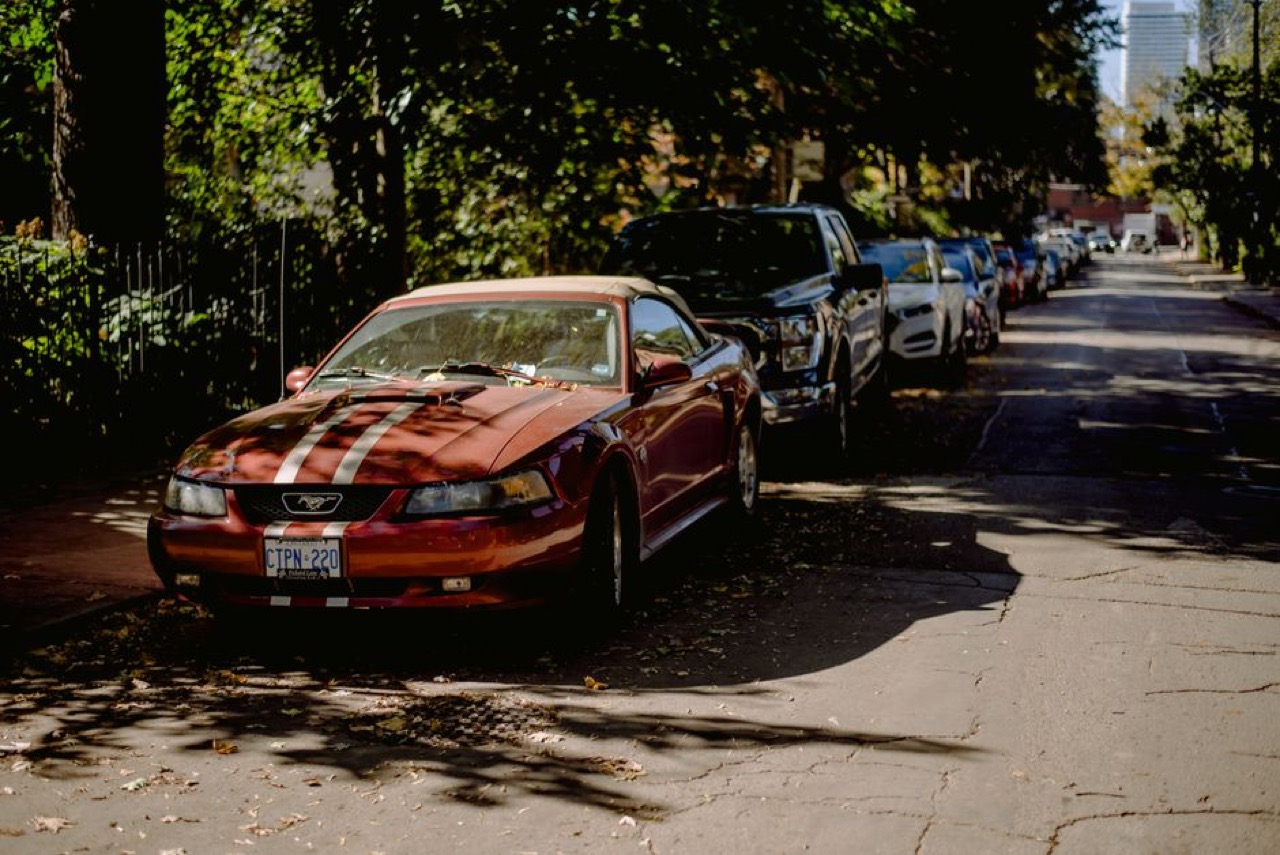
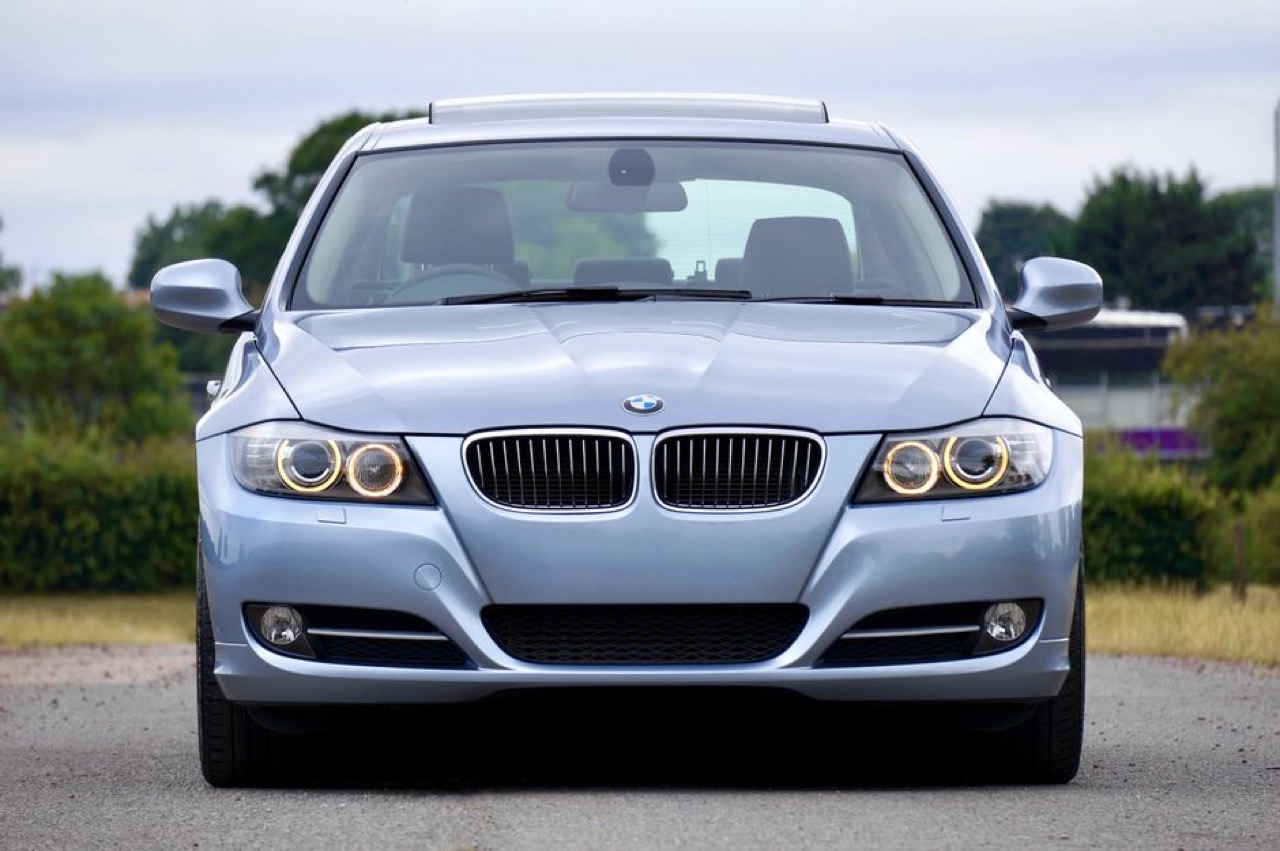
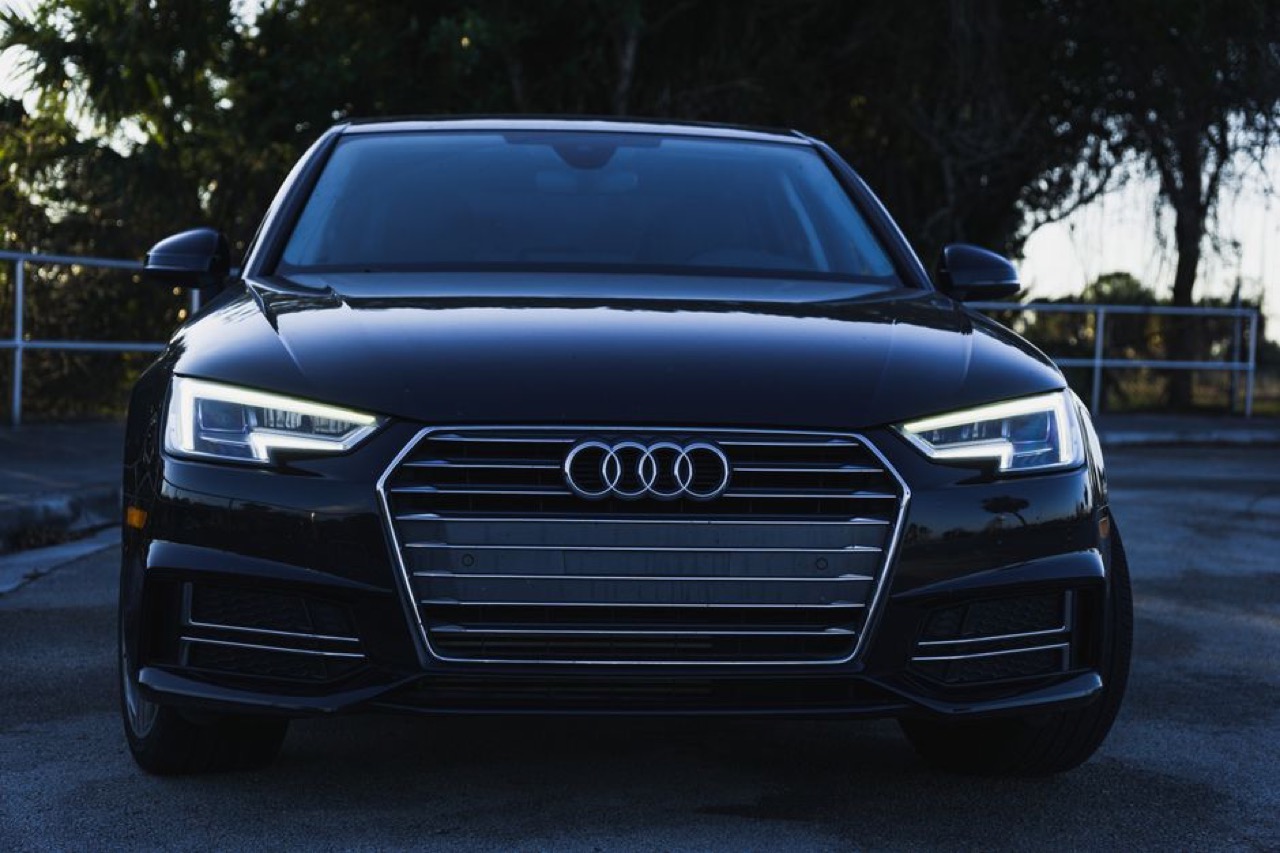
The make, model, age and value of your car all feed into the price. Insurers look at how often that model is stolen or hijacked, how expensive parts and repairs are, and how much it would cost to replace.
High-performance and sought-after models usually cost more to insure, as do cars with pricey imported parts. A modest, common hatchback is typically cheaper. Modifications that raise value or performance, such as engine tuning or expensive wheels, can push the premium up and must be declared.
Leaving out a modification is a form of non-disclosure that can lead to a rejected claim.
Where you live and park
Your address is a major factor. Areas with higher rates of theft, hijacking, accidents or weather damage, such as hail-prone regions, attract higher premiums.
Where the car sleeps overnight matters too. A locked garage usually earns a lower price than a driveway behind a gate, which in turn beats parking on the street. Your daytime parking, for example a secure work parkade versus an open public lot, can also be assessed.
Give your real overnight parking address. Insuring a car at a quiet address while it actually lives somewhere riskier is non-disclosure.
Driver age, experience and history
Younger and newly licensed drivers generally pay more because, as a group, they claim more often. Premiums usually ease as you get older and build an unblemished record.
Your driving and claims history is weighed heavily. Past at-fault accidents, multiple claims, or traffic-related issues can raise the price. A long, clean record often unlocks better rates and no-claim benefits.
If someone other than you is the main driver, declare it. Insuring a car in a lower-risk person's name while a higher-risk driver actually uses it is a common reason claims are turned down.
Claims history and no-claim record
Insurers reward people who do not claim. A clean claims history can lower your premium and, with some insurers, build a no-claim bonus or cash-back style benefit.
Frequent small claims can cost you more over time than paying for minor damage yourself, because they push up your premium and can affect future cover. It is worth weighing whether a small claim is worth the long-term price impact, especially once you factor in your excess.
Be honest about previous claims when you apply. Hiding a prior claim is non-disclosure and can void cover.
Sum insured basis and excess choice
How your car is valued in the policy, retail, market, trade or agreed value, affects both your premium and your payout. A higher value usually means a higher premium but a larger payout if the car is written off. See our guide on retail vs market vs agreed value.
Your excess is the amount you pay towards each claim. Choosing a higher voluntary excess generally lowers your monthly premium because you carry more risk; a lower excess raises it. Some policies also apply extra excesses for young drivers, windscreen or hijacking.
Balance the monthly saving against what you could actually afford to pay at claim time.
Telematics, security and trackers
Behaviour-based, or telematics, insurance can lower your premium if you drive carefully. Apps and devices measure factors like harsh braking, speeding, cornering and night driving, and some insurers reward safe driving with discounts or cash back. See our telematics guide for how this works.
Approved security features, such as an alarm, immobiliser and a fitted vehicle tracker, can reduce your premium and may be a condition of cover for higher-risk cars or areas. Make sure any required device is fitted and active, or a claim could be rejected.
This site is independent and not a broker. Compare offers from several licensed insurers on the FSCA register before deciding.
Frequently asked questions
What affects my car insurance premium the most?
Usually the combination of your car (value and theft risk), where you live and park, and your driver profile (age, experience and claims history). Your excess choice, sum insured basis, telematics and security also move the price meaningfully.
Can a car insurance calculator give me an exact price?
No. Online calculators only estimate. Your binding premium depends on a full risk assessment and the accuracy of your answers. Treat any calculator output as indicative until a licensed insurer confirms a quote on your real details.
Why does my address change my premium?
Insurers price for local theft, hijacking, accident and weather risk, and for where the car is parked overnight. A higher-risk area or on-street parking raises the price; secure parking lowers it. Always give your true overnight parking address.
Does choosing a higher excess lower my premium?
Usually yes, because you agree to pay more towards each claim, so the insurer carries less risk. The trade-off is a bigger out-of-pocket cost when you claim, so pick an excess you could realistically afford at the time.
Will a tracker or telematics really reduce my cost?
Often. An approved tracker can lower the premium and may be required for higher-risk cars. Telematics or behaviour-based policies can reward safe driving with discounts or cash back. Savings depend on the insurer and how you actually drive.
What happens if I leave out a detail to get a cheaper price?
That is non-disclosure, and it is one of the most common reasons claims are rejected. If the missing fact would have changed the premium or cover, the insurer may reduce or refuse your claim. Always disclose modifications, the regular driver and true parking.
Where can I complain if I think my premium is unfair?
Ask your insurer to explain it in writing first. If you are still unhappy, you can take the matter free of charge to the National Financial Ombud, which now handles former OSTI short-term insurance complaints.