Costs & premiums
Telematics and black box car insurance in South Africa
By Sipho Dlamini · 7 min read · Updated 24 June 2026
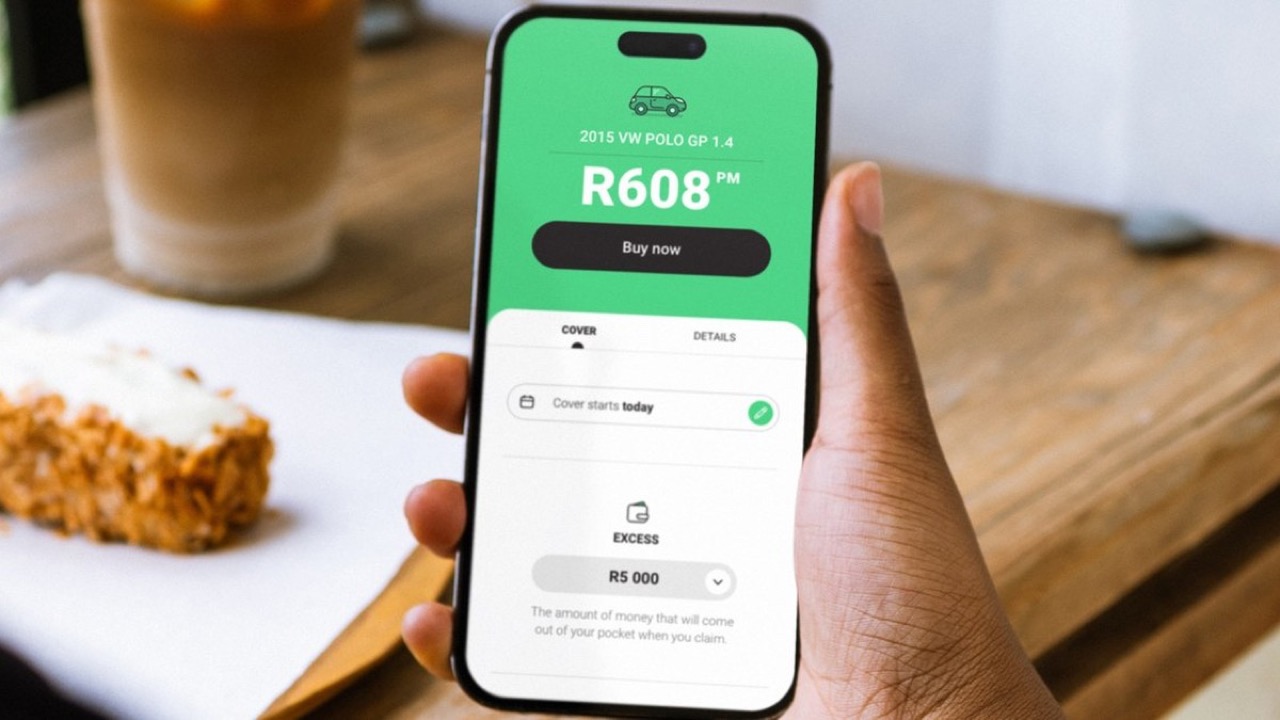
Telematics, or black box, car insurance prices your premium partly on how you actually drive, measured through an app or a device in your car, rather than on broad averages alone. Safer driving and lower mileage can mean discounts, cash back or a smaller bill, while harsh braking, speeding or heavy night driving can keep it higher.
In South Africa this shows up in several forms: in-app driving scores, pay-per-kilometre cover, and rewards programmes that pay back a share of your premium for good driving.
The data collected and how it is used vary by insurer, so read the wording on privacy, scoring and what behaviour affects your price before you sign up.
How behaviour-based pricing works
Telematics insurance uses a smartphone app, a plug-in device or a fitted box to record how the car is driven. Typical inputs include acceleration, braking, cornering, speed relative to limits, distance travelled and the time of day you drive.
The insurer turns this into a driving score. Better scores can earn discounts, cash back, or lower renewals, while riskier patterns may reduce rewards. Some products are pay-per-kilometre, so a low-mileage driver pays mostly for the distance actually driven.
The upside is fairer pricing for careful, low-mileage drivers. The trade-off is that your movements and habits are being measured, so understand the privacy terms first.
Indicative telematics offerings in South Africa
The table below is an indicative summary of how several South African insurers use telematics or behaviour-based pricing. Features change often, so confirm the current detail with each insurer before relying on it.
| Insurer | Telematics approach (indicative) | Reward style (indicative) |
|---|---|---|
| Discovery Insure | Vitality Drive driving programme via app and device | Fuel and driving rewards, cash back for good driving |
| Naked | App-based driving and CarScore, pause-cover option | Lower premiums for safe, low-risk driving |
| Pineapple | App-based, behaviour and usage informed pricing | Premium tied to risk profile and driving |
| dotsure | Pay-per-kilometre style, distance-based pricing | Pay more in line with how far you drive |
| OUTsurance | Rewards programme linked to good driving behaviour | Cash-back style benefit for claim-free, safe driving |
Treat all of the above as indicative. Always read the current product wording and reward rules directly from the insurer.
Discovery Vitality Drive
Discovery Insure runs a behaviour programme often referred to as Vitality Drive, which uses an app and a sensor to measure how you drive. Driving well can earn rewards such as fuel benefits and other incentives tied to your driving score.
The more consistently you drive within the programme's safe-driving rules, the more you can typically earn back. The premium and rewards depend on your driving, your car, your area and the usual risk factors.
As with any rewards programme, read what behaviour is scored, how rewards are calculated and any conditions before assuming a specific benefit.
App-first insurers: Naked and Pineapple
Naked and Pineapple are app-led insurers that lean on technology for quoting, claims and pricing. Naked uses driving and risk data and offers a feature to pause certain cover when your car is parked and not in use, which can reduce cost during idle periods.
Pineapple prices using your risk profile and offers a digital, app-based experience for managing and claiming on cover. Both aim to make safe, lower-risk drivers pay less.
App-first does not change the basics: you still need to disclose accurately, understand your excess and exclusions, and confirm the insurer is licensed before you buy.
Pay-per-kilometre and low-mileage cover
Pay-per-kilometre or distance-based cover, offered by insurers such as dotsure, suits people who drive relatively little. Instead of a flat premium that assumes average mileage, you pay more in line with how far you actually drive.
For someone who works from home, commutes rarely, or keeps a second car mostly parked, this can be cheaper than a standard policy. For a high-mileage driver, it may not save anything and could cost more.
Check how distance is measured, whether there is a base fee, and what happens if you exceed expected mileage, so there are no surprises.
Privacy, fairness and your rights
Telematics means sharing driving and location data. Before you opt in, read how the data is collected, stored, shared and used to price your cover, and whether one bad trip can materially affect your score.
The usual protections still apply. Disclose your details accurately, understand your excess and exclusions, and keep any required tracker or device active. If a claim is rejected, for example because the insurer says your data shows a breach of the terms, ask for the decision in writing.
If you disagree, you can complain free of charge to the National Financial Ombud, which absorbed the former OSTI. Always confirm the insurer is on the FSCA register. This site is independent and not a broker.
Frequently asked questions
What is telematics or black box car insurance?
It is cover where your premium is influenced by how you actually drive, measured through an app or device. The system records things like braking, speed, cornering, distance and time of day, then uses that to set discounts, cash back or your price.
Can telematics insurance save me money?
It can if you drive carefully and, for pay-per-kilometre products, if you drive relatively little. Safer driving and lower mileage can mean discounts or cash back. High-mileage or riskier driving may see little saving, so it depends on your habits.
Does the insurer track my location all the time?
Telematics products collect driving and location data, but how much, how it is stored and how it is used varies by insurer. Read the privacy terms before opting in so you understand what is recorded and how it affects your premium.
How does pay-per-kilometre cover work?
Instead of a flat premium that assumes average mileage, you pay more in line with the distance you actually drive, often with a base amount plus a per-kilometre component. It can suit low-mileage drivers but may cost more for heavy drivers.
Can a telematics insurer reject a claim based on my driving data?
An insurer can decline a claim if it shows you breached the policy terms, for example driving while excluded or misrepresenting use. Ask for any rejection in writing, and if you disagree you can take it free of charge to the National Financial Ombud.
Is the Discovery Vitality Drive a separate policy?
It is a behaviour and rewards programme attached to Discovery Insure car cover, using an app and sensor to score your driving and offer benefits like fuel rewards. Check the current rules and conditions with Discovery before relying on a specific reward.
How do I check a telematics insurer is legitimate?
Confirm the insurer or financial services provider is licensed on the FSCA register before you buy. This site is an independent information resource and not a broker, so always verify cover directly with the insurer.